
Icarus

TCI: not enough ratings
Films in Common: 0
Not in Your Top 1000 TCIs
 Featured Reviews
Check out Icarus's...
| 98 98% |  |
The New World (2005)
"An achingly beautiful tale of love, discovery, self-interest, and maturity, told in Malick's typically poetic style. Mixing voice-over narration with on screen dialogue, and images of nature with those of the plot, Malick creates feelings and moods that ebb and flow throughout the film. With excellent use of Wagner and Mozart to underline the film's themes, the film makes for a creative portrait not just of America's first Euro settlers, but of human tendencies, shortcomings, and virtues."
|
| 92 93% | 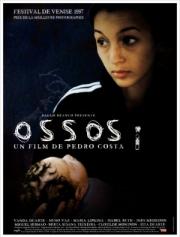 |
Ossos (1997)
"An incredible piece of filmmaking from Costa. The rich imagery and stunning sound design of this downbeat area of Lisbon gives the film its vitality, while the pacing, the barely moving camera, and the non-expressive characters suggest the near-absence of life in this section of the city. And yet, the regular sounds of chatter, laughter, and animals suggest that life continues on, vibrant, full, and most of all, somewhere else."
|
| 95 96% | 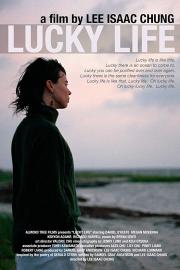 |
Lucky Life (2010)
"Lee Isaac Chung's second film, Lucky Life takes its inspiration from the poetry of Gerald Stern. The film has a quiet openness about it, a sensitivity to the way pain and memory ripple through life. Chung edits the film intuitively, making connections that inspire reflection rather than determine meaning. The cool grays and blues of the film's palette fit the subject matter beautifully, and the sections of poetry read in the film are especially well-chosen. And what a final shot."
|
| 88 85% | 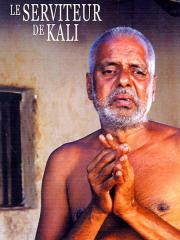 |
Shadow Kill (2002)
"A subtle and affecting film from India, Shadow Kill places a human face on those executed for crimes. The film avoids overplaying or sentimentalizing the trauma that the executioner suffers, while at the same time deftly weaving in elements of religion, community, social status, and politics as they touch on a pending execution. The story near the end is a brilliant device that confirms the film's humanism and sets up the tragic ending."
|
| 95 96% | 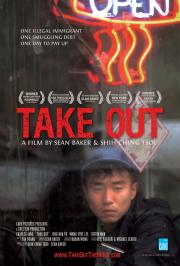 |
Take Out (2004)
"A fabulous film that more people need to see. It's encouraging to see this kind of filmmaking taking place in the US. The film is shot in a verite style, engenders empathy for its protagonist through repetition, and offers a humanistic vision of illegal immigrants through its quietly powerful narrative. This is the kind of film that requires active participation from the viewer, but the end result is well worth it. Truly a wonderful film."
|
| 96 97% | 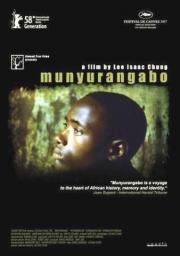 |
Munyurangabo (2007)
"An excellent film that deserves a much wider audience, this is easily the best of several recent films on the Rwandan conflict and its aftermath in the last 15 years. Chung's understated style, the easy way of the non-professional actors in front of the camera, the naturalistic humor of the Rwandan countryside, and the thoughtful storyline provides an enriching experience driven by a concern over questions on the meaning of peace, justice, and attaining the well-being of humanity in Rwanda."
|